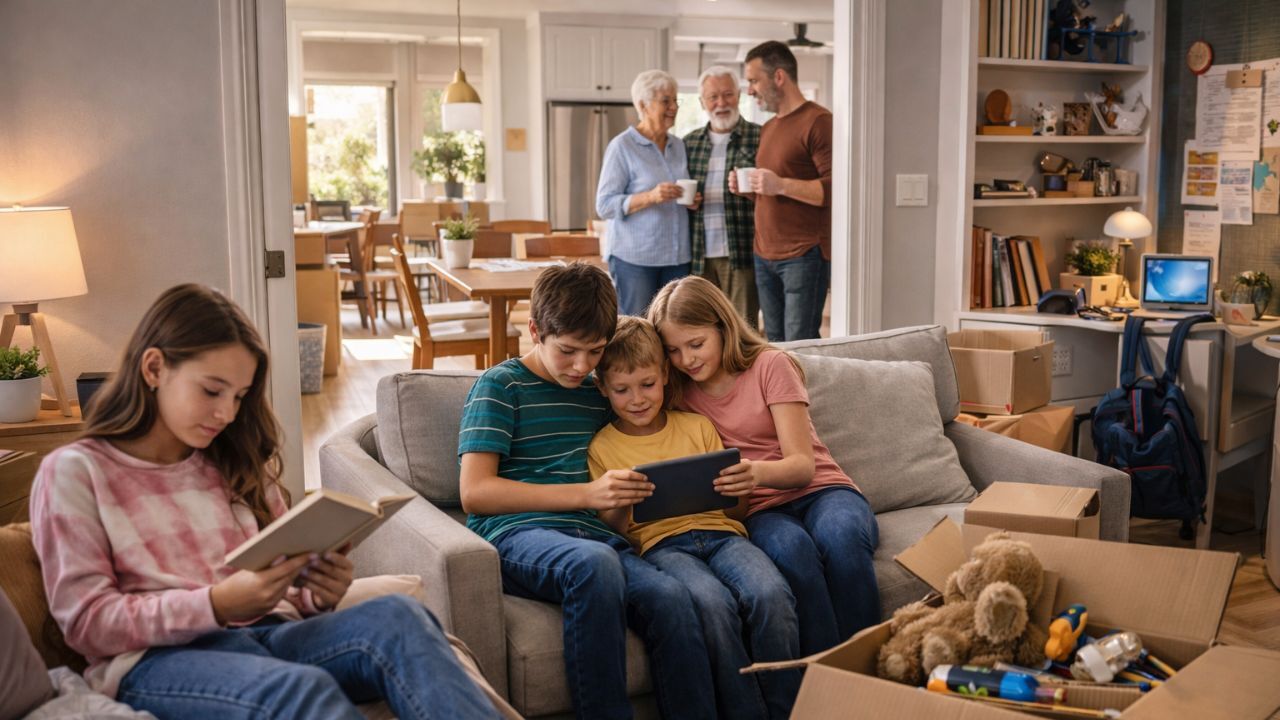
 Blending households is both exciting and complex. Whether combining families after remarriage, moving in with extended relatives, or transitioning from separate residences into one shared space, the property you choose plays a significant role in long-term harmony. The right home supports both connection and independence, while the wrong layout can unintentionally create stress.
Space for Privacy Is Essential
In blended households, personal space matters. Children adjusting to new family dynamics benefit from having defined areas of their own. Adults also need quiet retreat areas to decompress. A well-designed floor plan balances shared gathering areas with private rooms that protect emotional comfort.
Shared Spaces Should Encourage Interaction
While privacy is important, communal areas anchor relationships. Open kitchens, comfortable living rooms, and flexible dining areas allow families to reconnect daily. Thoughtful layout supports both everyday routines and larger gatherings without feeling cramped.
Storage Reduces Tension
Combining belongings from multiple households often creates clutter. Adequate storage, closets, and organized garage space prevent friction over personal items. A well-organized home reduces short-term stress during the adjustment period.
Location Supports Stability
When children are involved, proximity to schools, activities, and familiar social circles may influence long-term success. Minimizing disruption during transition strengthens emotional resilience.
Communication Guides Decision-Making
Before purchasing, every household member should have input. Discussing expectations about space usage, routines, and responsibilities creates alignment before move-in day.
Blending households successfully requires more than enthusiasm. It requires a home that supports evolving relationships and long-term stability. If you are combining households and want guidance evaluating properties that foster balance and harmony, connect to explore options thoughtfully.